
Designing Spaces That Move You: Sensory Architecture Trends for 2026
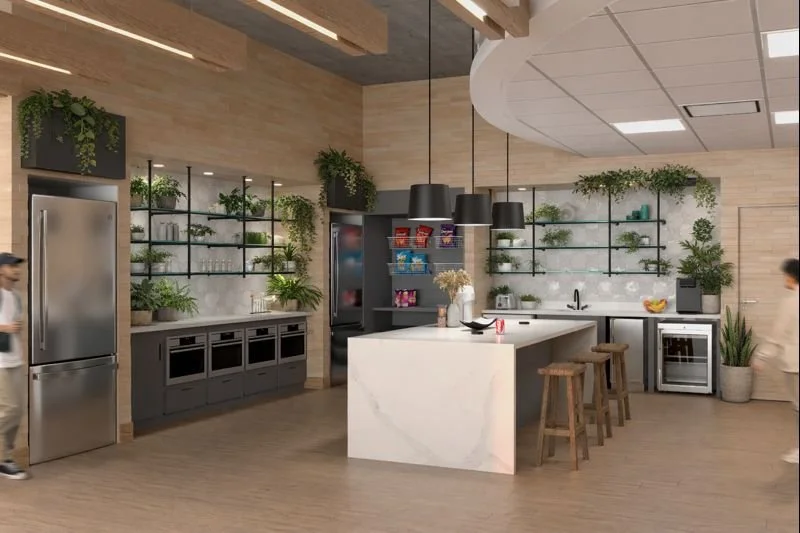
For decades, architecture has been judged primarily by how it looks. But as we move into 2026, the industry is undergoing a meaningful shift—one that prioritizes not just visual impact, but how spaces feel, sound, and ultimately support human well-being.
Sensory architecture is emerging as a defining trend across sectors, driven by growing awareness of mental health, neurodiversity, and the emotional impact of our built environments. Thoughtful design now considers acoustics, materiality, light, air quality, texture, and spatial flow to create spaces that don’t just function—but truly resonate with the people who use them.
At Peacock Architects, this human-centered approach has long been foundational. As sensory design continues to evolve, here’s how it’s shaping key sectors in 2026.
Education: Designing for Focus, Comfort, and Curiosity
Learning environments are increasingly designed with the full sensory experience in mind. Research shows that students perform better in spaces that minimize stress and distraction while supporting engagement.
Key sensory trends in education design include:
Acoustic control to reduce noise fatigue and improve concentration
Natural daylighting paired with adjustable lighting to support circadian rhythms
Warm, tactile materials that make classrooms feel welcoming rather than institutional
Flexible layouts that allow students to move, collaborate, or retreat as needed
These elements help create schools that feel calm, inclusive, and adaptable—supporting a wide range of learning styles and emotional needs.
Healthcare: Spaces That Heal Beyond Medicine
In healthcare design, sensory architecture is no longer optional—it’s essential. From maternity care to outpatient facilities, environments are being designed to reduce anxiety, promote dignity, and support healing.
Trends shaping healthcare spaces include:
Soothing color palettes and natural materials to reduce clinical stress
Sound-absorbing finishes that create quieter, more restorative environments
Thoughtful wayfinding and spatial clarity to ease cognitive overload
Biophilic design elements, such as views of nature or organic textures
By designing with empathy, healthcare spaces can actively contribute to better patient experiences, staff well-being, and overall outcomes.
Workplace: Supporting Wellness, Focus, and Flexibility
As work models continue to evolve, offices are being reimagined as destinations—not obligations. Sensory-driven design plays a major role in encouraging productivity while supporting mental health.
In 2026, workplace trends emphasize:
Biophilic Cues: plants, natural textures, external views, and daylighting
Sensory Zoning: focus zones, collaboration zones, social zones
Material contrast and texture to add warmth and visual interest
Air quality and lighting strategies that enhance energy and comfort throughout the day
The result is a workplace that feels intentional, human, and responsive to how people actually work.
Hospitality: Creating Memorable, Emotion-Driven Experiences
Hospitality design has always been about experience—but sensory architecture is elevating that experience to a deeper emotional level. Hotels, restaurants, and mixed-use spaces are being crafted to leave lasting impressions through atmosphere as much as aesthetics.
Emerging sensory trends include:
Layered lighting and soundscapes to shape mood throughout the day
Textural storytelling through materials, finishes, and furnishings
Seamless indoor-outdoor transitions that engage all the senses
Spaces designed for both energy and retreat, depending on guest needs
In hospitality, the most successful spaces are those that guests don’t just remember visually—but emotionally.
Designing for the Human Experience
As architecture looks ahead to 2026, sensory design is redefining what it means to create meaningful spaces. Buildings are no longer static backdrops—they are active participants in our daily lives, shaping how we feel, connect, and move through the world.
At Peacock Architects, designing for the senses means designing for people. By prioritizing emotional comfort, wellness, and human experience across sectors, we continue to create spaces that don’t just stand out—but truly move you.