
What the Next Decade of South Florida Development Will Demand from Architects
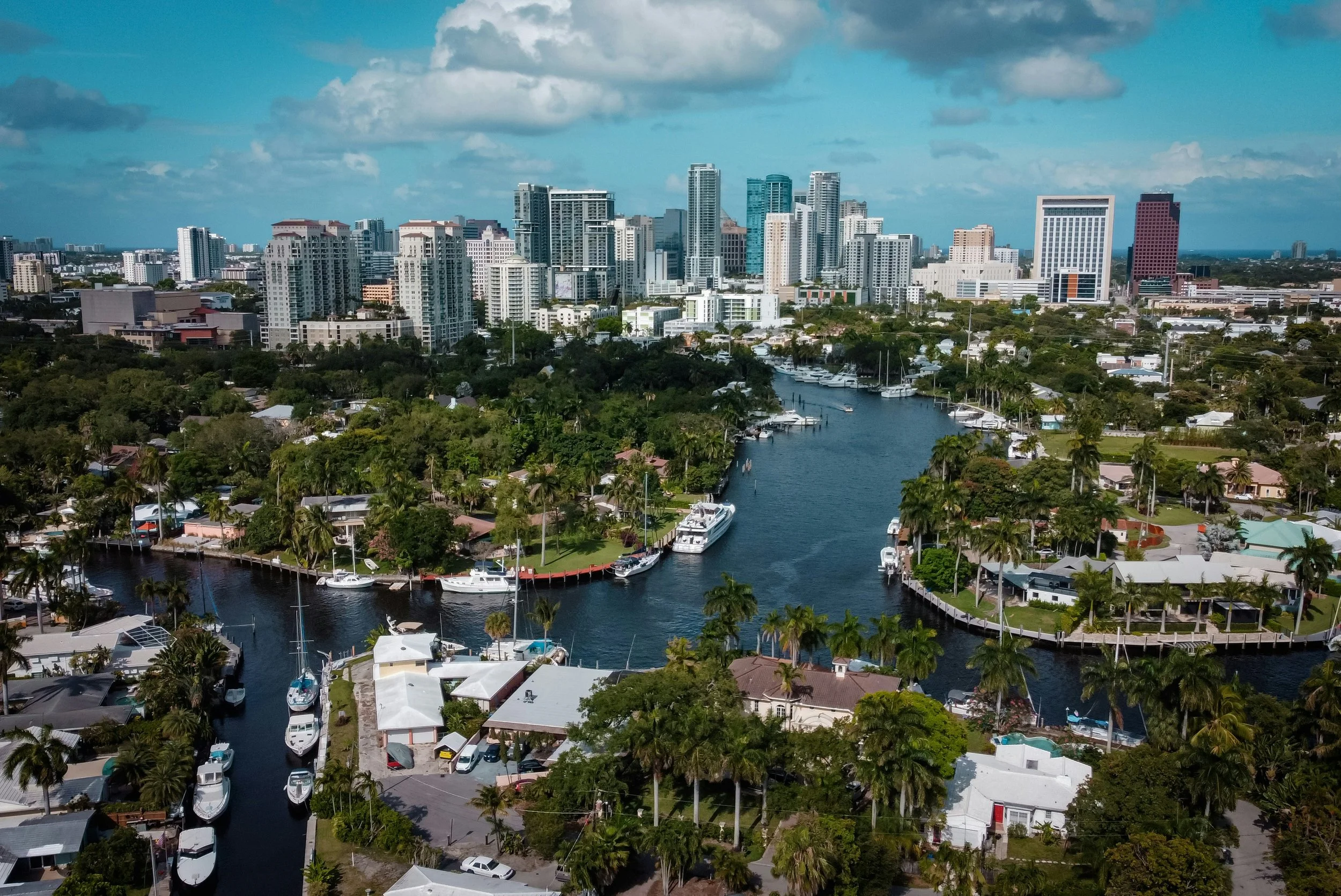
South Florida has always been a place of transformation. New residents arrive every day, neighborhoods evolve, and communities continue to grow upward and outward. But as we look toward the next decade, one thing is becoming increasingly clear: the future of development cannot simply be about building more—it must be about building smarter.
For architects, that means embracing a new mindset. The challenges we once treated as possibilities are now realities. Rising sea levels, stronger storms, aging infrastructure, and unprecedented population growth are no longer distant concerns. They are shaping the decisions we make today.
Resiliency Is No Longer a Trend—It's the Baseline
For years, architects and planners have discussed resiliency as an important consideration. In South Florida, it has become a necessity.
The environmental pressures our region faces continue to reinforce what we've known all along: the way we design and build must evolve. Whether we're creating a new civic building, renovating an existing healthcare facility, or developing mixed-use communities, resilience has to be integrated from day one.
That means considering flood mitigation, material durability, energy efficiency, and long-term adaptability—not as optional upgrades, but as fundamental design principles.
Renovation will play just as critical a role as new construction. Much of South Florida's existing building stock was designed for a different era, under different environmental assumptions. The next decade will demand creative strategies for reimagining and strengthening these structures while preserving the communities they serve.
Returning to the Creative Roots of Architecture
Architects have always been problem solvers.
Long before advanced modeling software and digital tools, great architecture emerged from ingenuity—the ability to work within constraints and create something meaningful. As South Florida faces increasing density and finite land availability, that spirit of creativity will become more important than ever.
The solution cannot simply be to build taller or fit more into every available parcel. Around the world, we've seen the unintended consequences of unchecked overdevelopment: strained infrastructure, disconnected communities, reduced green space, and environments that prioritize quantity over quality.
The next generation of architects will need to think beyond conventional formulas. We will have to find innovative ways to accommodate growth while preserving the character, functionality, and livability of our cities.
That may mean rethinking mixed-use developments, integrating more public spaces into urban environments, creating adaptable buildings that can evolve over time, or designing infrastructure that serves both people and the environment.
In many ways, it requires us to return to the drawing board.
Growth Requires Better Collaboration
Architecture alone cannot solve the challenges ahead.
As our communities grow, architects, developers, planners, engineers, and public officials must work together to create solutions that are proactive rather than reactive.
Many of the codes and regulations that shape our built environment were written for a different set of circumstances. The realities of climate resilience, housing demand, and urban density may require us to rethink long-standing policies and modernize the frameworks that guide development.
The next decade will demand not only better buildings, but better collaboration between the industries and institutions responsible for shaping our future.
Building the South Florida We Want to Leave Behind
The question facing architects today is not whether South Florida will continue to grow—it will.
The real question is what kind of growth we choose to create.
Will we repeat the mistakes of overdevelopment, or will we use this moment to build communities that are more resilient, connected, and sustainable? Will we simply react to change, or will we lead it?
At Peacock Architects, we believe the future of South Florida demands thoughtful design that balances innovation with responsibility. It demands creativity, adaptability, and a willingness to challenge old assumptions.
Most importantly, it demands that we design not just for today's needs, but for the generations that will inherit the communities we build.
Because the next decade of South Florida development isn't simply about constructing buildings.
It's about creating a better future.